Case Study
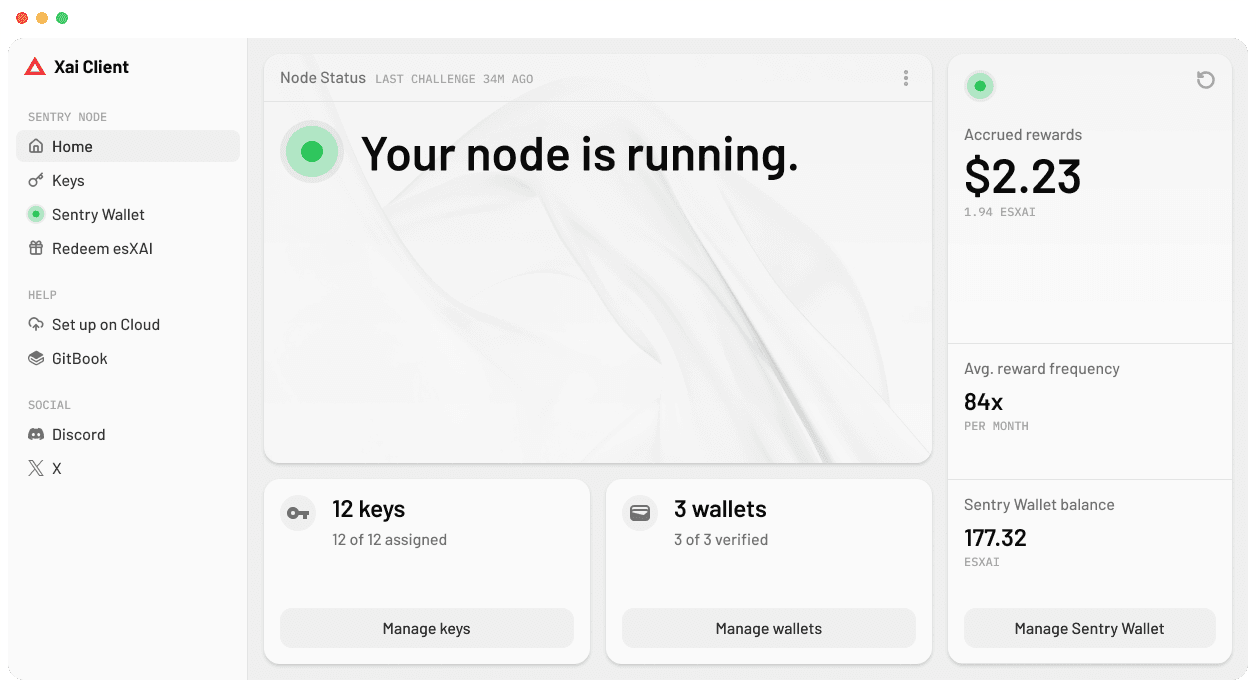
Xai Sentry Nodes are apps that users can run on their computer. Once they buy a key, they’ll be able to receive rewards for running it.
Products like this didn’t ship as consumer apps. They shipped as CLI tools, configured by hand, run from a terminal. That was the category convention when we started.
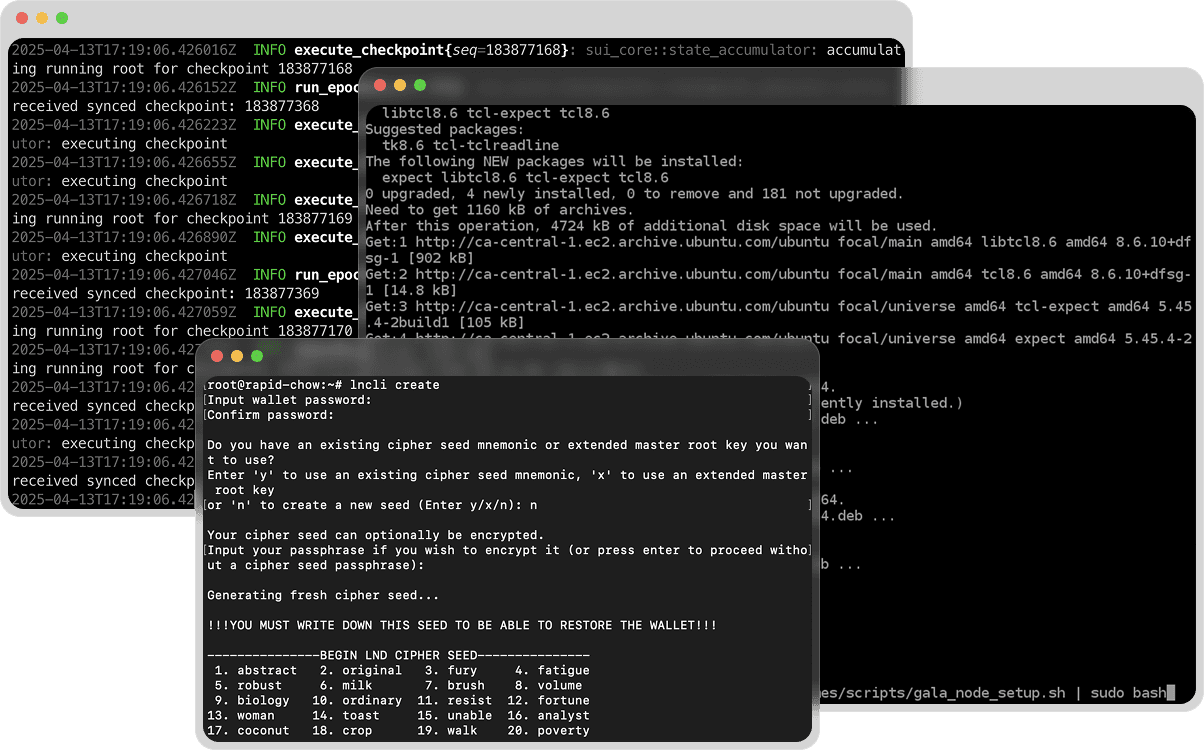
A sample of three different node CLI interfaces. For products that are aiming for mass discoverability, the steep learning curve and unfriendly user experience makes these interfaces indecipherable for beginners.
I pushed for a consumer-facing desktop app when nothing in the category had one and nobody on the team thought it was necessary.
The reasoning was simple: who actually buys a CLI application? Developers might tolerate a terminal for tools they use professionally, but the buyers for this product weren’t developers. They were investors and operators who wanted to put money in, run a node, and watch the rewards come in. Asking them to configure a CLI was asking the wrong audience to do the wrong work.
The cost of building the UI was real but bounded. The cost of shipping CLI-only was every non-developer buyer we’d lose, which turned out to be most of them.
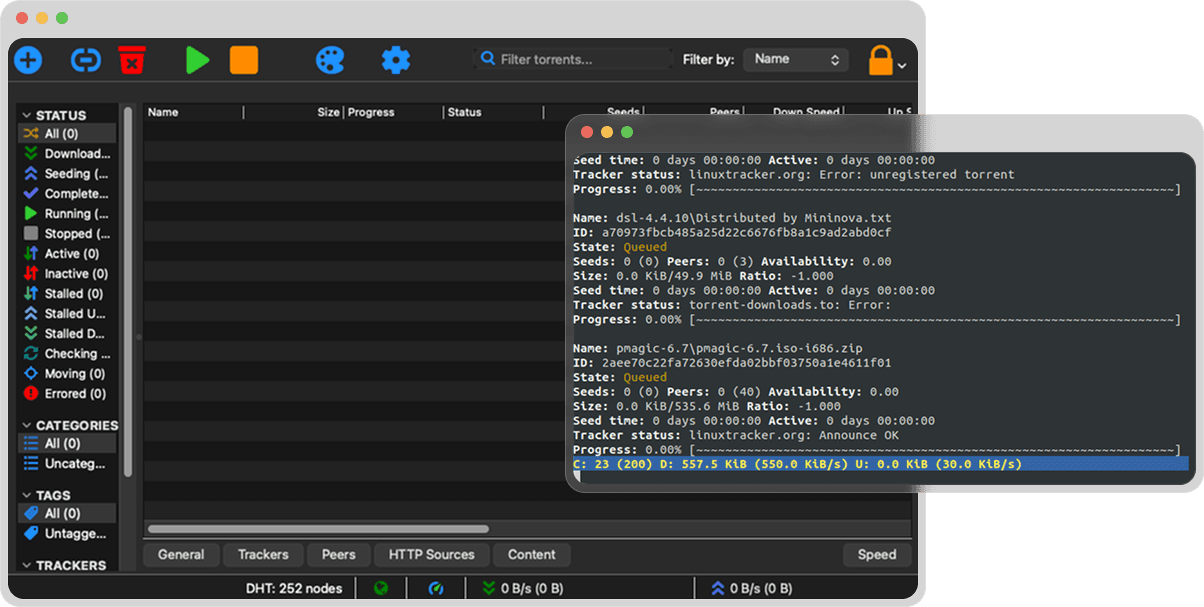
BitTorrent is an example of a tool or technology that only achieved significant consumer adoption only after a graphical user interface became available. To this day the vast majority of users only interact with the technology through graphical UI.
One desktop app handled the full buyer journey: purchase keys, complete KYC, monitor node status, track reward rate, manage the keys you owned. Everything an operator needed in one place, designed for someone who’d never opened a terminal.
The design bet was that this audience didn’t want to learn the infrastructure. They wanted to participate in it.
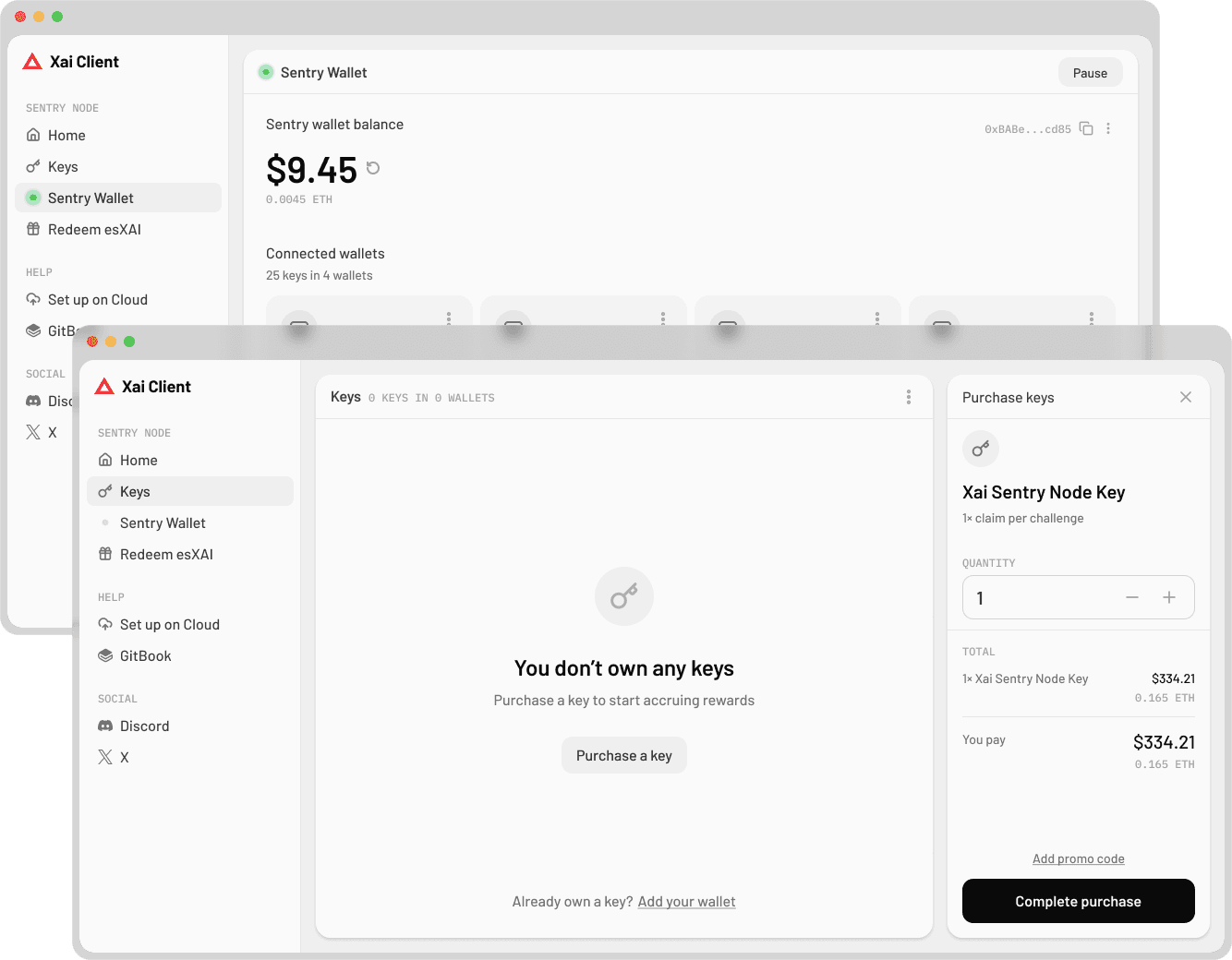
Significant resources were invested into making sure users could do anything a CLI user could do, without having to type a command, or look at an actual command line.
The app shipped in Q4 2023 and the category followed. Within 18 months, many competing platforms had launched consumer-facing applications. Among them: Ronin Validator Nodes, Lumina Celestia, Gala, Aethir, Carv, 0G, Hybrid, and DIN.